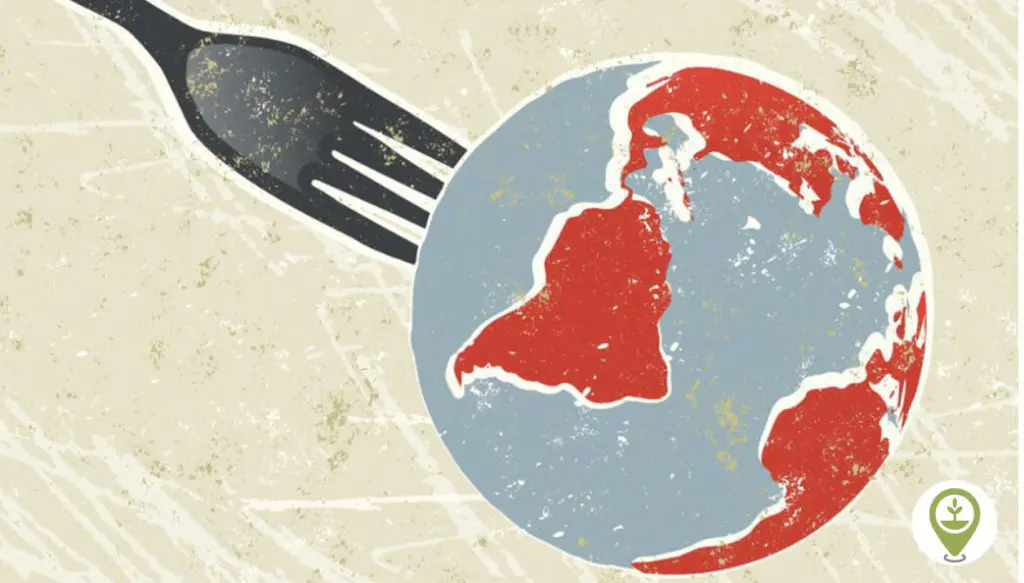
Do you ever wonder if what you’re eating could be hurting the environment on a bigger scale?
It is no news that the environment is essential to our lives, providing us with the resources we need to survive. However, human activities have significantly impacted the environment, leading to various issues such as climate change, deforestation, and pollution. How we produce, consume, and dispose of goods and services, including food, is a significant contributor to these environmental problems.
The relationship between food and the environment

“The healthiest diet for humans will be a diet that is healthy for the planet”
The relationship between food and the environment is complex and multifaceted. Food systems, which include food production, processing, packaging, transportation, and disposal, are responsible for a whopping one-third of anthropocentric greenhouse gas emissions. These emissions contribute to climate change, which means food and climate change are also irrevocably linked.
Food production
The way we produce food has a significant impact on the environment. For example, intensive livestock farming, such as cows and pigs, generates large amounts of greenhouse gas emissions and contributes to deforestation and biodiversity loss. Additionally, the overuse of pesticides and fertilizers in the production of some crops can cause soil and water pollution, and harm beneficial insects and wildlife.
Food disposal
When food waste ends up in landfills, it generates methane emissions, a potent greenhouse gas. Additionally, when food scraps and waste are not properly disposed of, they can attract pests, and contribute to air and water pollution.
Food consumption
The way we consume food can also have an impact on the environment. For instance, the transportation of food over long distances, as well as the packaging and preservation of food products, all require energy and resources and contribute to greenhouse gas emissions. Diets high in meat and dairy products are typically more resource-intensive and have a larger environmental footprint than plant-based diets. This is because the production of meat and dairy requires more land, water, and energy than the production of plant-based foods.
So…Do You Eat for Health or Environmental Sustainability?
The Double Pyramid Says You Can Do Both

©. Barilla Center for Food and Nutrition
The Double Pyramid is an innovative way of portraying how the ecological footprints of our food compare to their nutritional value.
Here are some diet-based ways we can reduce damage to the environment
- Switching to plant-based diets
According to Climate Change 2022: Mitigation of Climate Change, a report from the United Nations’ Intergovernmental Panel on Climate Change, switching to a plant-based diet has a high potential for lowering carbon footprints, combating climate change, and enhancing human health. Plant-based diets rely on locally-sourced and seasonal produce, which can have a lower environmental impact. Eating a diet primarily based on fruits, vegetables, whole grains, and legumes can reduce the consumption of meat, dairy, and processed food, reducing the environmental impact of food production.
- Consuming seasonal foods
Fruits and vegetables are typically cultivated and harvested throughout the year in various places and during different seasons. Eating seasonal foods reduces the need for transportation and preservation of food products. Compared to fruit and vegetables that are imported or stored, those sourced locally consume less energy as they don’t need artificial heating or lighting, refrigeration, and storage. It also involves fewer losses during storage, which typically contribute to creating fewer GHG emissions.
- Supporting organic farming
Organic farming is a form of agriculture that uses natural methods to enhance crop growth and reduce synthetic pesticides, fertilizers, and genetically modified organisms. This practice is better for the environment in many ways:
- It is designed to promote biodiversity, which can help to protect ecosystems and conserve natural resources.
- It can help to attract beneficial insects, birds, and other wildlife, which can help control pests and improve the ecosystem’s health.
- It upholds crop rotation and cover cropping methods, which help sequester soil carbon and reduce greenhouse gas emissions.
By supporting organic farmers and reducing the consumption of meat and dairy products, we can help to promote sustainable farming practices and protect the environment.
- Reducing food waste
Food waste represents a waste of resources such as water, energy, and land, which ends up being used to produce food that, in the end, is never consumed. When this waste ends up in landfills, it generates methane emissions, a potent greenhouse gas responsible for global warming. Food waste also hurts biodiversity, attracting pests and wildlife that can harm natural ecosystems. Therefore, reducing food waste is essential for creating a more sustainable food system and protecting the environment.