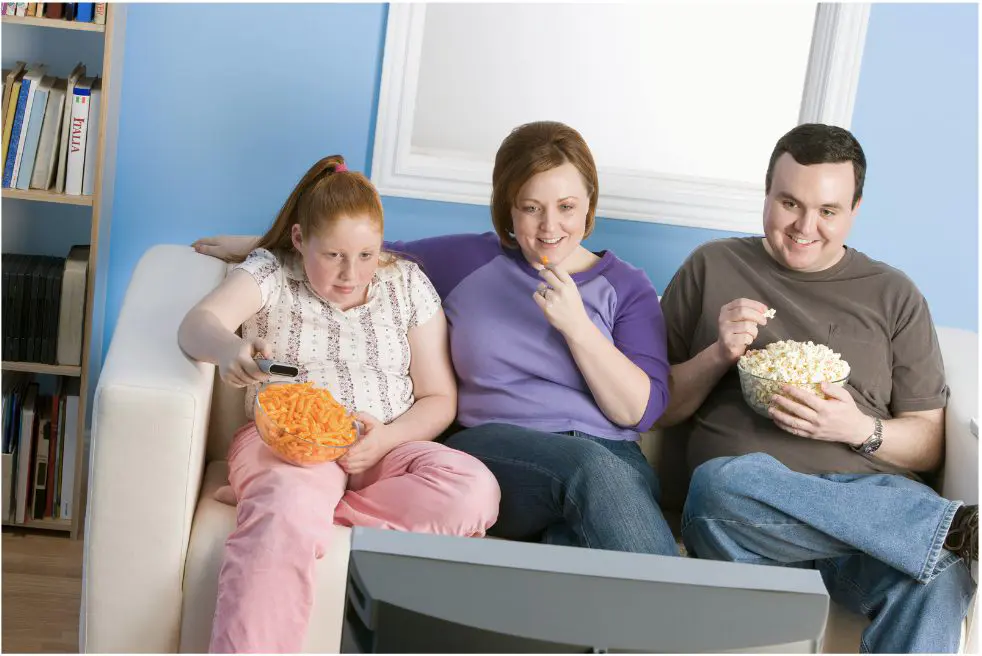

Have you struggled to get back in to shape after having children? Do you put your children first (and then everyone else) and you don’t even make it on to the list? The growing statistics relating obesity to being a parent shows that you are not alone.
Having coached parents, and teaching for 30+ years, I can assure you, that with a few tweaks and growth mindset, you can regain control, lose the weight and as a bonus, create resilient children. I have simplified this in to ‘7 tips for healthy parenting’
B.C. = Before Children. Remember the time before children when you were active, full of vitality, and relatively carefree? Stress levels were low, as were responsibilities.
A.D. = Add Descendants. Bringing children into the mix of life comes with a steep learning curve and no manual. Without introducing strategies, self-discipline and good habits, parents are creating a ripe environment for obesity to thrive under their roof.
The rate of obesity is climbing at an alarming rate with 26% of children aged between 2 and 7 considered overweight or obese in Australia (AIHW, 2024). According to Umberson et al. (2011), having children in the house reduces the amount of exercise by parents; more so for men than women. Furthermore, once the children are gone, a more sedentary lifestyle then kicks in. The risk increase of obesity is approximately 7% with each additional birth for women and 4% for men (Weng et al., 2004).
More often than not, being a parent creates worry and stress, puts pressure on relationships (especially intimate ones), and sets up unhealthy habits which are passed on to children.
Most clients I work with are or have struggled with obesity. There is a common theme among parents. “I need hand holding to have the confidence to do this”. The solution? It is time to take responsibility as a parent. Not in a bad or judgemental way, but in a loving, caring, firm and long-term (lifestyle) kind of way. I don’t believe it is ever too late to make change, and I am here to tell you “Yes you can!” and “You are stronger than you give yourself credit”.
So, where to start? Find that inner fierceness and let it be your guide, because for a lot of people, taking responsibility for themselves is unfamiliar territory. Children are sponges and you are the gatekeeper to what they absorb. If you want a shared healthy lifestyle for you and your children, here are my top 7 tips:
- STOP BEING A MARTYR and introduce Chores
Being the care giver does not mean you need to do everything for everyone else. Build resilient kids by giving them responsibilities. School age children should make their beds and be given weekly chores e.g. dishwasher, wiping table, tidying up, setting the table through to vacuuming, washing, mopping, and preparing dinner.
- Overhaul the pantry/fridge/freezer
Remove unhealthy and out of date items. Take stock of what is there that can be used for meals and introduce delicious healthy snacks. Get the kids to help with this.
- Use a meal plan
Besides reducing the amount of food that is thrown out, the number Uber meals purchased and the financial savings, planning reduces stress and weight gain due to stress (Geiker et al, 2018).
- Use a shopping list
Section your shopping list into meats, fruit & veg, dairy, packaged food, etc. so shopping is targeted, fast (no distractions!) and you are buying what is going to be used. Let the kids add to the shopping list and discuss with them why you may or may not buy the Tim Tams they added to the list.
- Eat together
Aim for dinner to be between 6 and 7pm. Have everyone involved from food prep, to setting the table and clearing up. The golden rule is No Devices. Be prepared for crickets (silence) at the start with an armful of questions to get family members engaged with each other.
- Nighttime is for sleeping
Lead by example. Turn off and remove devices an hour before bedtime (I hear you groaning!). Obesity and chronic depression are linked to device use and lack of sleep (Tsouklidis, 2020). Children need (deep) sleep for brain development and function. You need deep sleep to think clearly and resilience. It may be hard to start with, but you will thank me.
- Introduce Movement
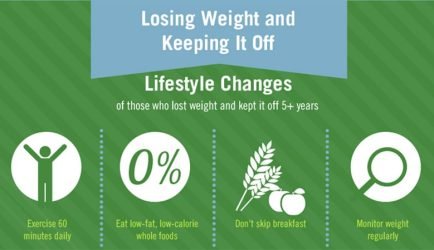
More often now parents are seeing the benefits of exercising with their children. Whether it is walking, just-dance, mini golf, the gym, or a bike ride, this can be a great bonding time too. If children are already doing sports, make a resolve to exercise at the same time. This may look like a walk around the venue a few times or slipping out to a near-by gym.
Monique Davey is a teacher, speaker, healthy habits coach, NLP master, and is currently studying mental health at Victoria University. On a mission to empower people to be the best version of themselves, Monique unlocks the hidden potential in individuals, giving them the tools to overcome fears and barriers to live successful lives.
Monique Davey (She/Her)
B.Ed, NLP Master Practitioner & Coach


Australian Institute of Health and Welfare. (2024). Overweight and obesity. Retrieved from https://www.aihw.gov.au/reports/overweight-obesity/overweight-and-obesity
Geiker, N. R. W., Astrup, A., Hjorth, M. F., Sjödin, A., Pijls, L., & Markus, C. R. (2018). Does stress influence sleep patterns, food intake, weight gain, abdominal obesity and weight loss interventions and vice versa?. Obesity reviews, 19(1), 81-97.
Tsouklidis, N., Tallaj, N., Tallaj, Y., & Heindl, S. E. (2020). Lights out! the body needs sleep: electronic devices and sleep deficiency. Cureus, 12(7).
Umberson, D., Liu, H., Mirowsky, J., & Reczek, C. (2011). Parenthood and trajectories of change in body weight over the life course. Social science & medicine, 73(9), 1323-1331. https://doi.org/10.1016/j.socscimed.2011.08.014
H.H. Weng, L.A. Bastian, D.H. Taylor, B.K. Moser, T. Ostbye. Number of children associated with obesity in middle-aged women and men: results from the health and retirement study. Journal of Women’s Health, 13 (2004), pp. 85-91