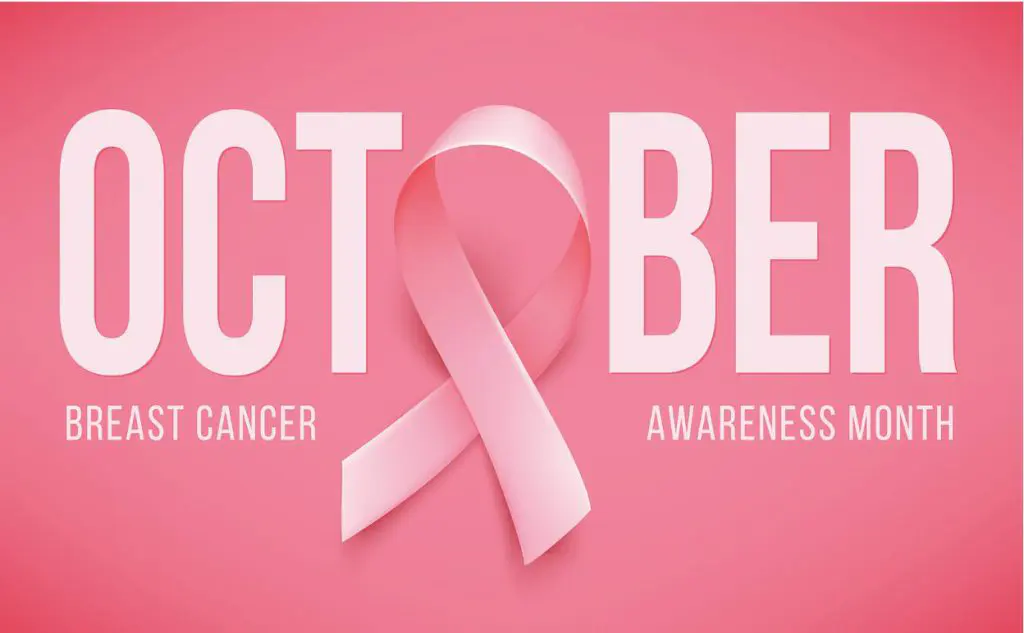
Did you know that October is Breast Cancer awareness month?
There are many risk factors for breast cancer – some NOT in your control and some in your control. I often get asked whether the link between Obesity and Breast Cancer Risk is real and what steps can a lady take to reduce their risk?

3 key questions highlighting the link between obesity and breast cancer (especially aftermenopause)
1. Can being overweight or obese cause breast cancer?
Your risk of breast cancer increases if you are overweight or obese after the menopause.
Putting on weight throughout adulthood also increases your risk of developing breast cancer after menopause.
The more weight you gain in your life, the higher your risk of developing breast cancer after menopause
By keeping to a healthy weight, you can reduce your risk of breast cancer.
2. How much does weight affect breast cancer risk?
In a group of 100 women with a healthy weight range, about 9 will probably develop breast cancer at age 50 or above.
In a group of 100 obese women, about 11 or 12 will probably develop breast cancer. So, being obese causes about 2 or 3 extra women out of every 100 to develop breast cancer at age 50 or above.
By keeping to a healthy weight throughout your life, you can reduce this risk.
3. Why does weight affect breast cancer risk?
Hormones such as oestrogen help some breast cancers to grow. After the menopause, the ovaries stop producing oestrogen, so levels in the body drop.
Women who are overweight or obese after the menopause have a higher level of oestrogen in their bodies, which may encourage the growth of some breast cancers. This is because the hormone is also made by fatty tissue.
Being overweight or obese also alters the levels of other hormones, including insulin (which regulates the amount of sugar in your blood) These changes might increase the chance of breast cancer developing.
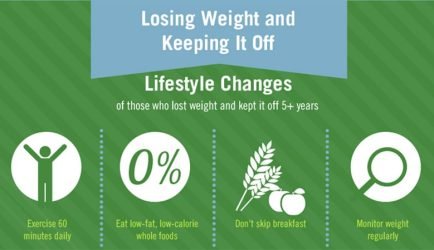
One of the key factors that can allow you to reduce your risk of breast cancer could be get into a healthy weight range.
Here are top 10 tips to make your diet nutritious and help you lose weight
- Limit sugar, refined carbohydrates, and alcohol.
- Eat small portions (no more than 6 to 7 ounces a day) of lean meat or poultry. Remove the skin and fat from meat, poultry, and fish.
- Cover your plate with fresh, nutrient-dense foods. Fill two-thirds of your plate with fresh vegetables, fruits, and whole grains, and one-third or less with meat and dairy products.
- Eat lots of fruits, veggies, and whole grains. Eat at least 2 cups of fruit and 3 cups of vegetables each day and 3 ounces or more of whole grains. You will feel full longer and may be less tempted by junk food.
- Choose non-fat milk and dairy products.
- Go for variety. Buy a new fruit, vegetable, or whole-grain product each time you shop for groceries to keep from getting bored with your diet.
- Drink water or drinks with no sugar added if you’re hungry between meals. Avoid soda, lemonade, sweetened iced tea, and juices.
- Keep healthy snacks on hand, such as: salad with fat-free or low-fat dressing carrot and celery sticks (organic is best) bite-sized pieces of broccoli, cauliflower, or other vegetables salsa with vegetables (not chips) non-fat Greek or plain yogurt low-fat cottage cheese apple slices (organic is best) orange sections rice cakes frozen berries air-popped popcorn unsweetened fruit tea or herbal tea water with a slice of lemon or lime broth or bouillon low-fat gelatin
- Limit heavily salted, smoked, or pickled foods. They tend to have a lot of salt and nitrates.
- Talk to a dietitian to create a personalised healthy eating plan.
If you need more help, why not have an obligation free chat with our friendly patient advisor for a chat about your weight loss options? Click here for more info >> http://centreforweightloss.com.au/patient-advisor-appointment/

| Mark your calendar for the Habits Builder Summit—a free online event packed with valuable insights to help you build lasting habits for success! |

References
1.The relation between obesity and breast cancer risk in women by considering menstruation status and geographical variations: a systematic review and meta-analysis BMC Womens Health. 2023 Jul 26;23:392. 10.1186/s12905-023-02543-5
2.Obesity and adverse breast cancer risk and outcome: Mechanistic insights and strategies for intervention CA Cancer J Clin. 2017 Aug 1;67(5):378–397. doi: 10.3322/caac.21405
3.Nguyen, HL., Geukens, T., Maetens, M. et al. Obesity-associated changes in molecular biology of primary breast cancer. Nat Commun 14, 4418 (2023). https://doi.org/10.1038/s41467-023-39996-z